How can media and information be made accessible to everyone, even in a small, multilingual media market such as Luxembourg’s?
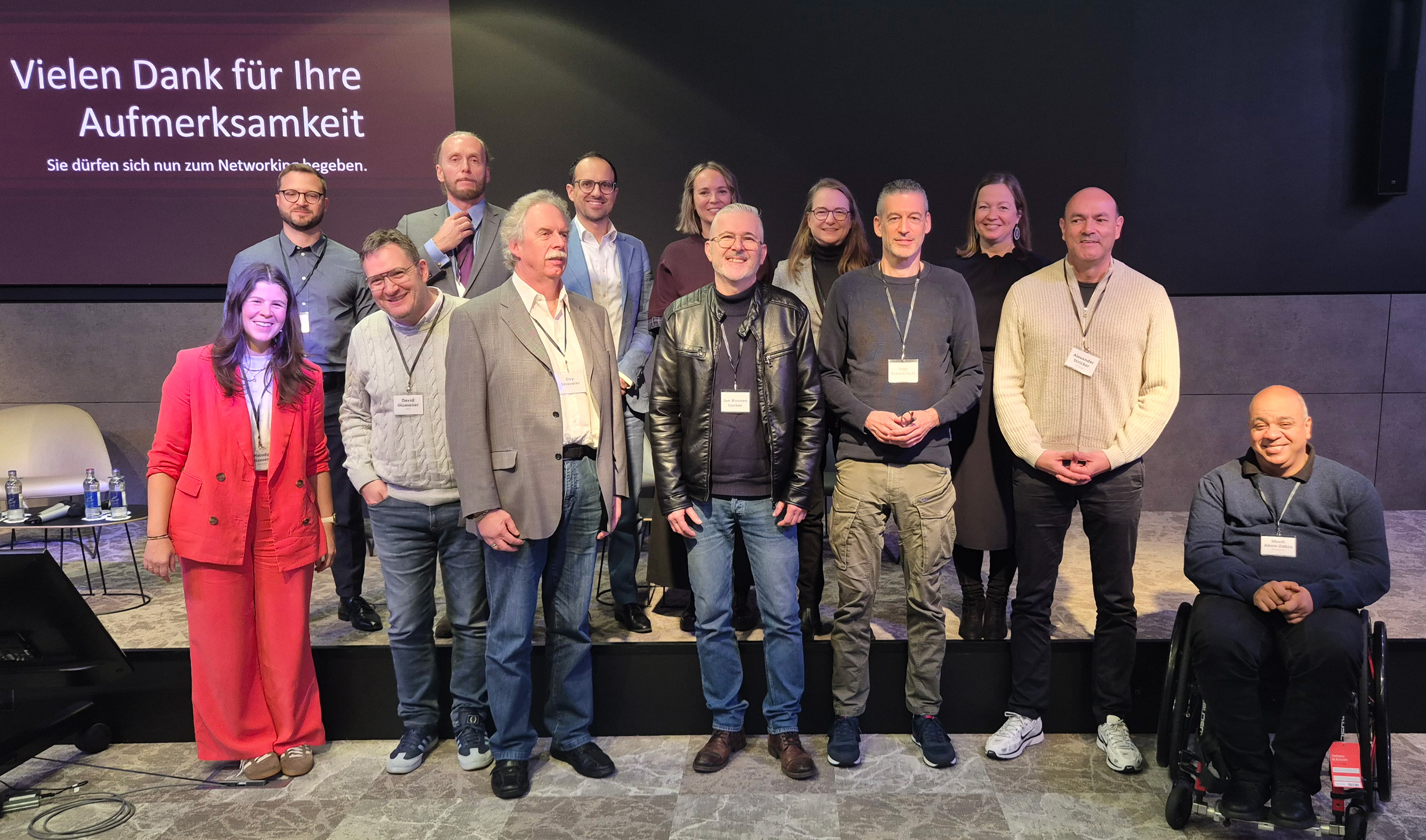
This question was at the heart of the “Accessibility in Media – Ensuring Access to Information for All” conference, organised by ALIA and OSAPS on 10 November 2026. The event brought together people with disabilities, representatives of disability organisations, and professionals from the media, technology, and regulatory sectors in Luxembourg and abroad.
In their opening remarks, Elisabeth Margue (Minister Delegate to the Prime Minister for Media and Connectivity) and Max Hahn (Minister for Family Affairs, Solidarity, Living Together and Reception of Refugees) emphasised the importance of accessibility for full and equal participation in society. They also highlighted the new national action plan for implementing the UN Convention on the Rights of Persons with Disabilities, reaffirming the government’s commitment to inclusion, accessibility, and self-determination.
New Opportunities, Shared Challenges
Experts from Luxembourg and Germany, as well as representatives of international platforms, showcased the potential of subtitling, easy-to-read language, sign language and accessible interfaces. Testimonies from individuals with hearing or visual impairments underscored a key point: offering accessible content is not enough; it must also be easy to find and use.
Artificial intelligence opens up new possibilities, such as automated subtitling and the development of sign language avatars. However, human expertise and quality control remain essential.
Building Solutions for Luxembourg Together
A roundtable discussion with the Zenter fir d’Lëtzebuerger Sprooch, RTL Luxembourg, and Radio 100,7 explored prospects for accessible information in Luxembourg. The discussions focused on limited resources, the unique challenges of multilingualism and the development of automated tools for the Luxembourgish language.
A central message emerged from the conference: people with disabilities must be involved from the outset in the design and evaluation of offerings, in line with the principle ‘Nothing about us without us’.
Accessible information is not a niche issue. It enables a broader audience to access reliable information, thereby strengthening democratic participation. The conference provided an opportunity to share experiences, build connections, and identify joint action plans for Luxembourg.