Go to main content

Code of Practice on Transparency of AI-Generated or Modified Content

Code of Practice on Transparency of AI-Generated or Modified Content

Published on 10 June 2026, the European Code of Practice on the transparency of content generated or manipulated by AI sets out how providers of generative AI systems and deployers can fulfil the obligations laid down in Article 50(2) and (4) of the AI Act.

The code provides practical guidance on making such content identifiable to users and reliably detectable. Stakeholders who adhere to it thus have a framework recognised at European level to demonstrate their compliance with the transparency obligations applicable to content generated or modified by artificial intelligence.
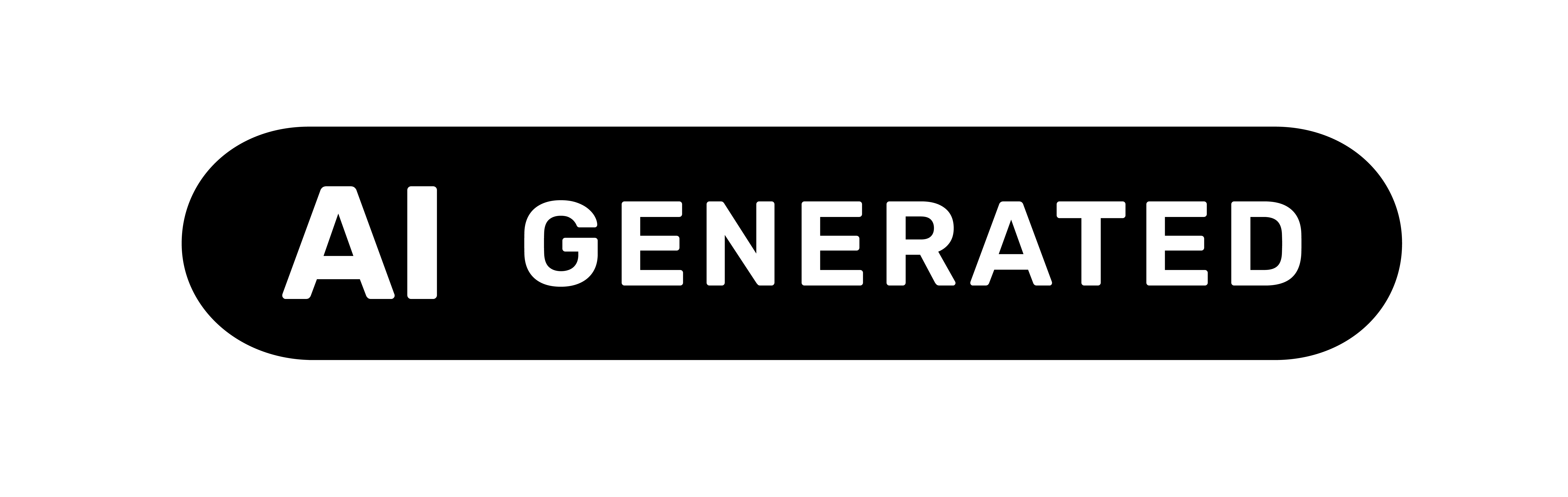
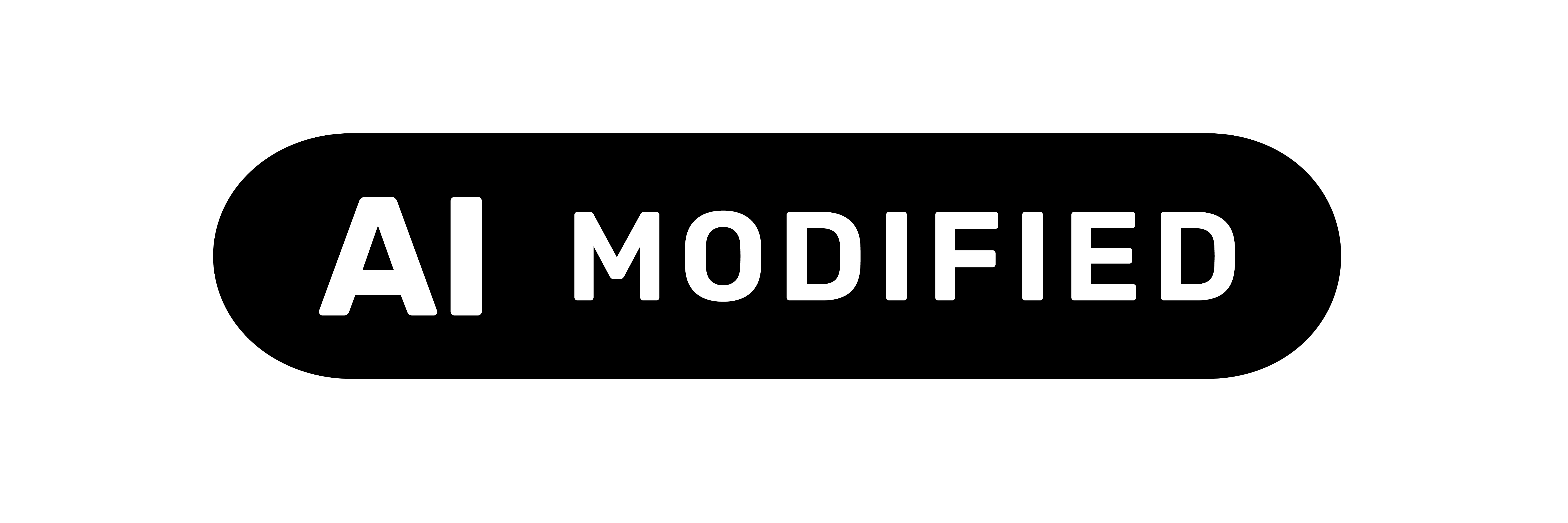
Practical solutions for flagging AI-generated content

The code recommends combining several techniques, such as metadata and imperceptible watermarking, to enable the automatic and reliable detection of AI-generated content.

Providers are also encouraged to make detection tools available to users, the media, fact-checkers and the authorities, so that they can verify whether content has been created or modified using an AI system.

Harmonised labels at European level

For platform operators, the code provides ready-to-use European icons, accompanied by text labels such as ‘AI + GENERATED’ for content generated entirely by AI and ‘AI + MODIFIED’ for content that has been partially altered.

These visual elements have been tested with users in several Member States. The results show that a clear indication of whether content has been created or modified by AI makes it easier for the public to understand. Content providers are free to use them to ensure the integrity of the information provided to the public across the EU.

Public service broadcasting: specific rules for the media

The code also addresses content of public interest, such as news, political or civic content generated or assisted by AI. It recommends that relevant platform operators put in place internal procedures to identify AI-generated content, establish clear labelling rules within editorial tools, and raise awareness amongst their teams. The code also sets out indicators to demonstrate that content has been subject to genuine human oversight. Such intervention may constitute an exception to the labelling requirement where it involves, in particular, proofreading and validation by an identifiable person, the ability to amend or reject content proposed by AI, and the traceability of these interventions.

And in Luxembourg: the role of ALIA

In Luxembourg, Bill No. 8476 designates ALIA as the authority responsible for monitoring compliance with these transparency obligations relating to content generated or manipulated by artificial intelligence. The code will therefore serve as an important reference in dialogue with providers and operators, whether they be media organisations, online platforms or other stakeholders using AI in their content.

The full text of the European Code of Practice on Transparency of AI Content is available online.